Cart (0)
Your cart is empty.
July 22, 2026
By Brian G
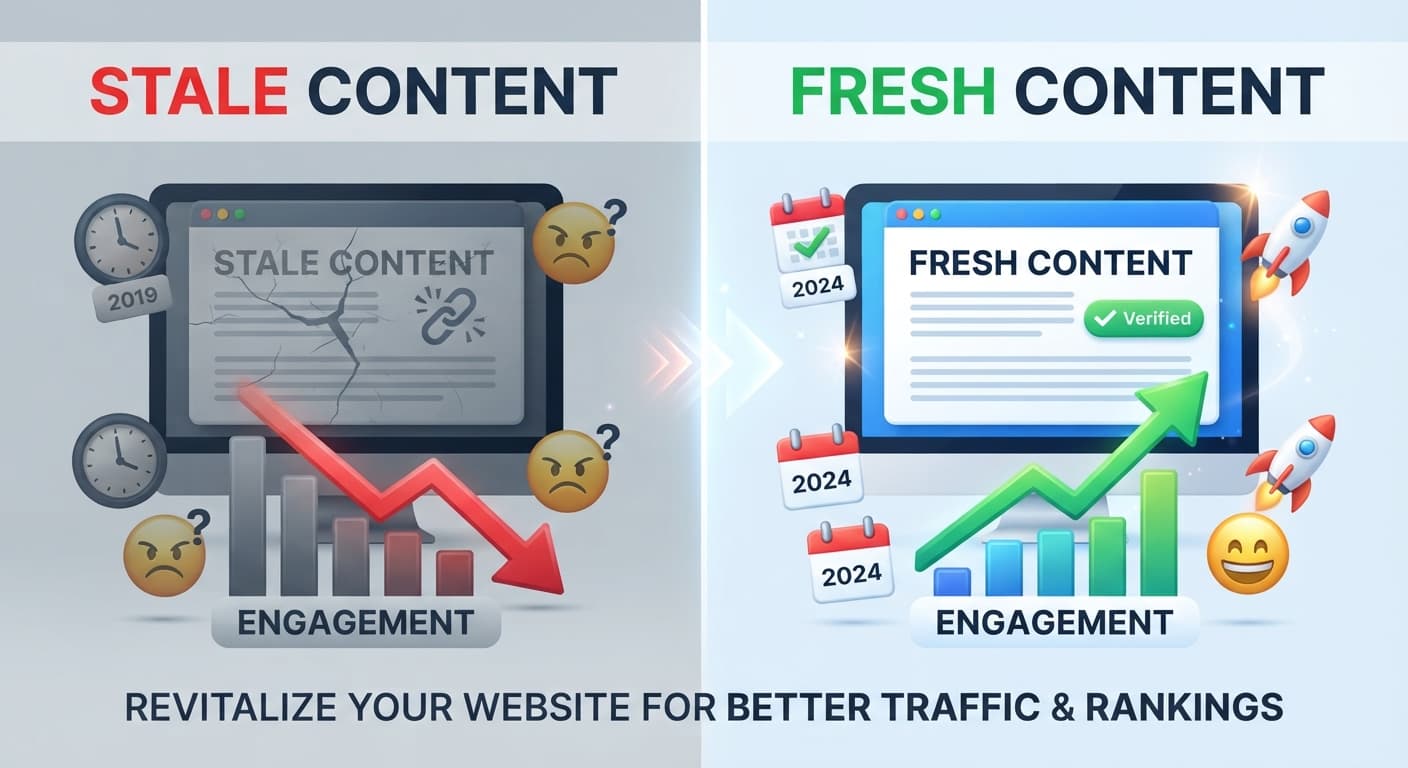
Have you ever noticed a drop in website traffic or engagement? It might be because your content has gone stale. Outdated information not only affects user experience but can also harm your search engine rankings and conversion rates. Here’s how to recognize when your content needs an update and what steps to take.
The first sign of stale content is low engagement metrics, such as a decline in page views, time on page, or bounce rate. Users might leave quickly if they find the information irrelevant or outdated. Additionally, negative feedback from customers via email or social media can indicate that your content isn’t meeting their current needs.
To fix stale content, start by conducting a thorough review of all pages and posts. Look for outdated statistics, broken links, and irrelevant information. Update blog posts with new data every six months to a year to ensure they remain relevant. For longer-form content like service descriptions or product pages, update key sections as needed based on industry changes or customer feedback.
Regularly engaging with your audience through surveys or social media can provide insights into what topics are of current interest. This information should inform the frequency and type of updates you make to your website. Additionally, ensure that any calls-to-action (CTAs) remain relevant and effective by testing different versions to see which performs better.
Lastly, consider incorporating multimedia elements like videos or infographics to add visual interest and keep content engaging. Tools like Google Analytics can help track the performance of updated content, allowing you to measure its impact on user engagement and conversion rates.