Cart (0)
Your cart is empty.
July 22, 2026
By Brian G
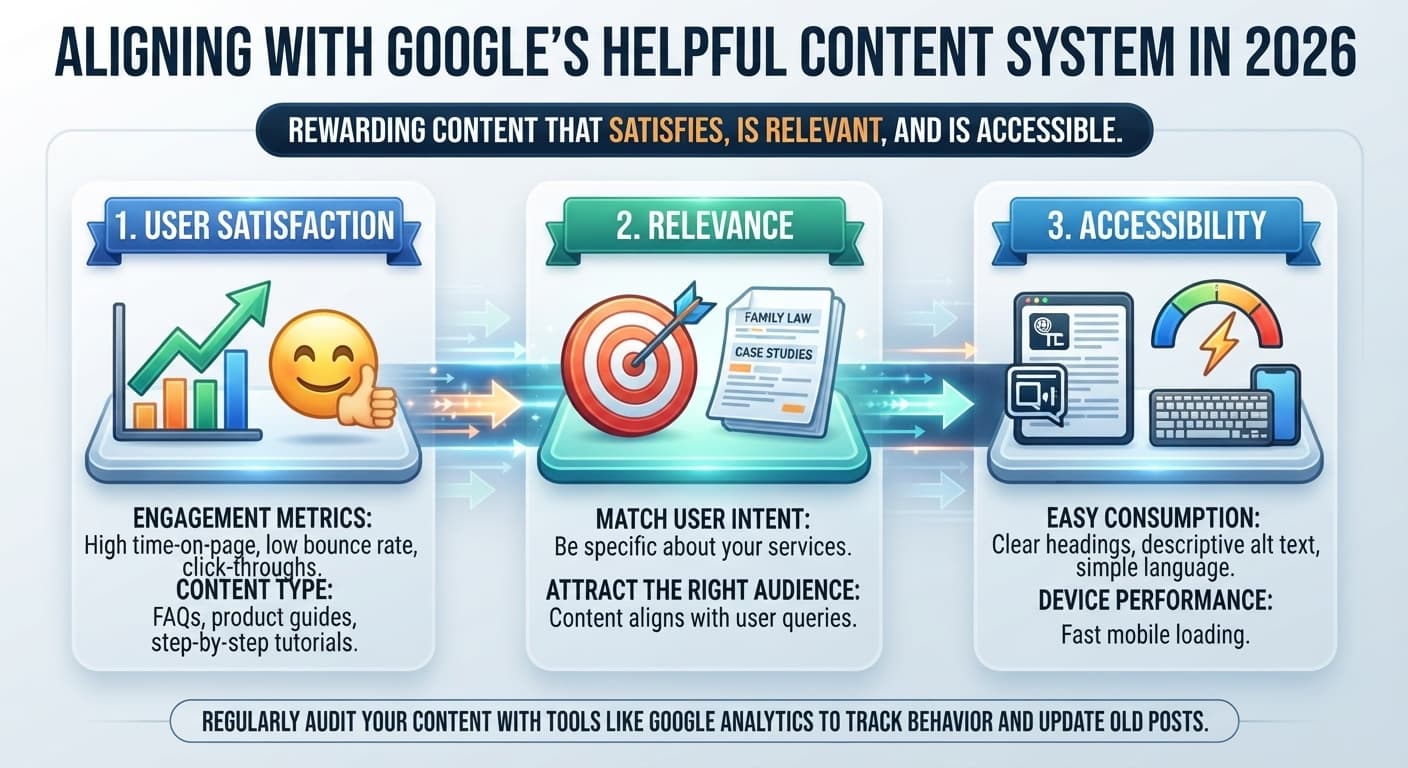
In 2026, Google’s Helpful Content system is not just a buzzword but a pivotal factor in determining where your small business website appears in search results. This update focuses on making sure that the content you publish helps users find what they need quickly and efficiently. For many small business owners, understanding how this works can be crucial to maintaining or improving their online presence.
At its core, Google's Helpful Content system rewards three main areas: user satisfaction, relevance, and accessibility. These elements are evaluated based on a combination of direct user feedback, engagement metrics, and the quality of your content itself. Let’s dive into each aspect to understand how you can align your website with these new standards.
Firstly, Google looks at user satisfaction through metrics like bounce rate, time spent on page, and whether users click through to other pages on your site or return from searches. High engagement indicates that the content meets user needs effectively. To improve this, consider adding interactive elements like FAQs, product guides, and step-by-step tutorials. These types of content not only keep visitors engaged but also provide them with actionable information.
Relevance is another critical factor. Google wants to ensure that your content matches exactly what users are searching for. This means being specific about the services or products you offer in a way that aligns directly with user queries. For instance, if you run a small law firm specializing in family disputes, focus on providing detailed information and case studies related to those specific areas of law. This approach makes your content more relevant and likely to attract the right audience.
Finally, accessibility plays a significant role. Google aims to make sure that all users—whether they use screen readers or have limited internet access—can easily consume your content. Use clear headings, descriptive alt text for images, and simple language. Additionally, ensure that your website loads quickly on mobile devices, as many users check their phones first before opening a desktop version.
To implement these changes effectively, start by reviewing the most recent traffic to your site and identifying pages where users spend less time or leave quickly. These areas likely need more engaging content or better alignment with user intent. Consider using tools like Google Analytics to track user behavior on your site and identify pain points. Regularly update old posts and add new content that addresses emerging trends and frequently asked questions.
In summary, the Helpful Content system in 2026 is all about providing value to users through relevant, engaging, and accessible content. By focusing on these key areas, you can ensure your small business website remains a valuable resource for potential customers while staying ahead of Google’s evolving standards.